
OUR HISTORY
A Legacy of Faith Since 1842
For over one hundred and eighty years, Emilie United Methodist Church has stood as a beacon of Christian devotion, fellowship, and neighborly care in Bucks County. What began in 1842 as a determined gathering of country families has flourished through generations of prayer, change, and community renewal.
180+ Years of Ministry
From nineteenth-century circuit preaching in Centreville to contemporary outreach in Levittown, our congregation continues to bear witness to the unconditional love of Christ.
ORIGINS & IDENTITY
From Centreville to Emilie
The roots of Emilie United Methodist Church trace back to 1842 in the rural crossroads village then known as Centreville. Early believers gathered in private parlors and local schoolhouses, united by a sincere hunger for heartfelt Methodist preaching and communal discipleship.
As the settlement evolved, the village took the historic name of Emilie in honor of the local post office and surrounding community. Through sacrifice, modest tithes, and shared labor, the congregation secured land to erect their first dedicated house of worship—planting the enduring spiritual foundation that still anchors our church family today.
Milestones in the Village
The formal transition from the early Centreville prayer class to Emilie Methodist Episcopal Church signified not only a geographical milestone, but a lasting pledge to serve Bucks County families across every season.
Charter Established: 1842
EARLY YEARS
A Small Country Church
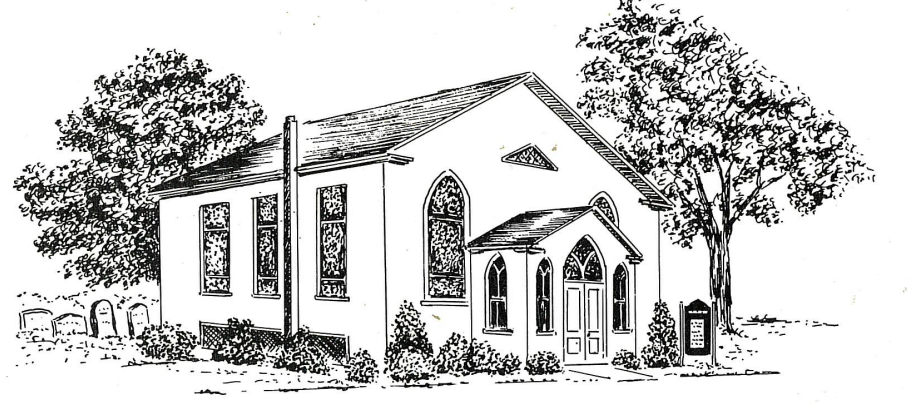
Throughout the late nineteenth and early twentieth centuries, Emilie functioned as a warm, hardworking country parish. Farmers, tradespeople, and growing families walked or drove carriages along dirt turnpikes to attend Sunday services, mid-week prayer meetings, and festive lawn socials.
The church served as both spiritual home and social crossroads. Inside the modest wood-framed sanctuary, hymns rose above the potbellied stove in winter, while summer brought revival gatherings and community picnics that knitted generations together in Christian kinship.
Life in the Early Parish
Early church records describe vibrant Ladies Aid initiatives, seasonal harvest suppers, and dedicated Sunday school superintendents who preserved both faith and fellowship through challenging agricultural years.
COMMUNITY TRANSFORMATION
Emilie and the Birth of Levittown
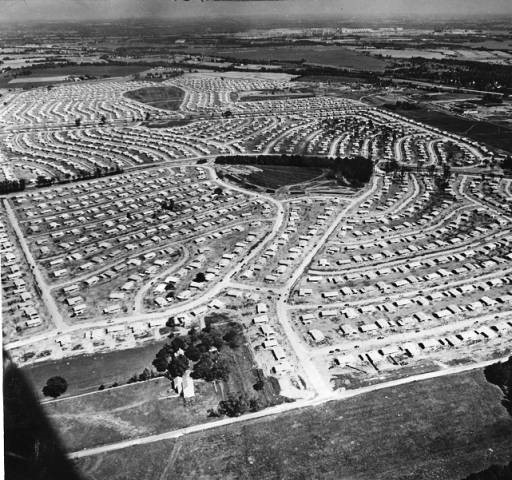
In the early 1950s, the pastoral fields surrounding Emilie underwent one of the most celebrated suburban transformations in American history: the development of Levittown. Thousands of young veterans, post-war couples, and families moved into newly constructed homes virtually overnight.
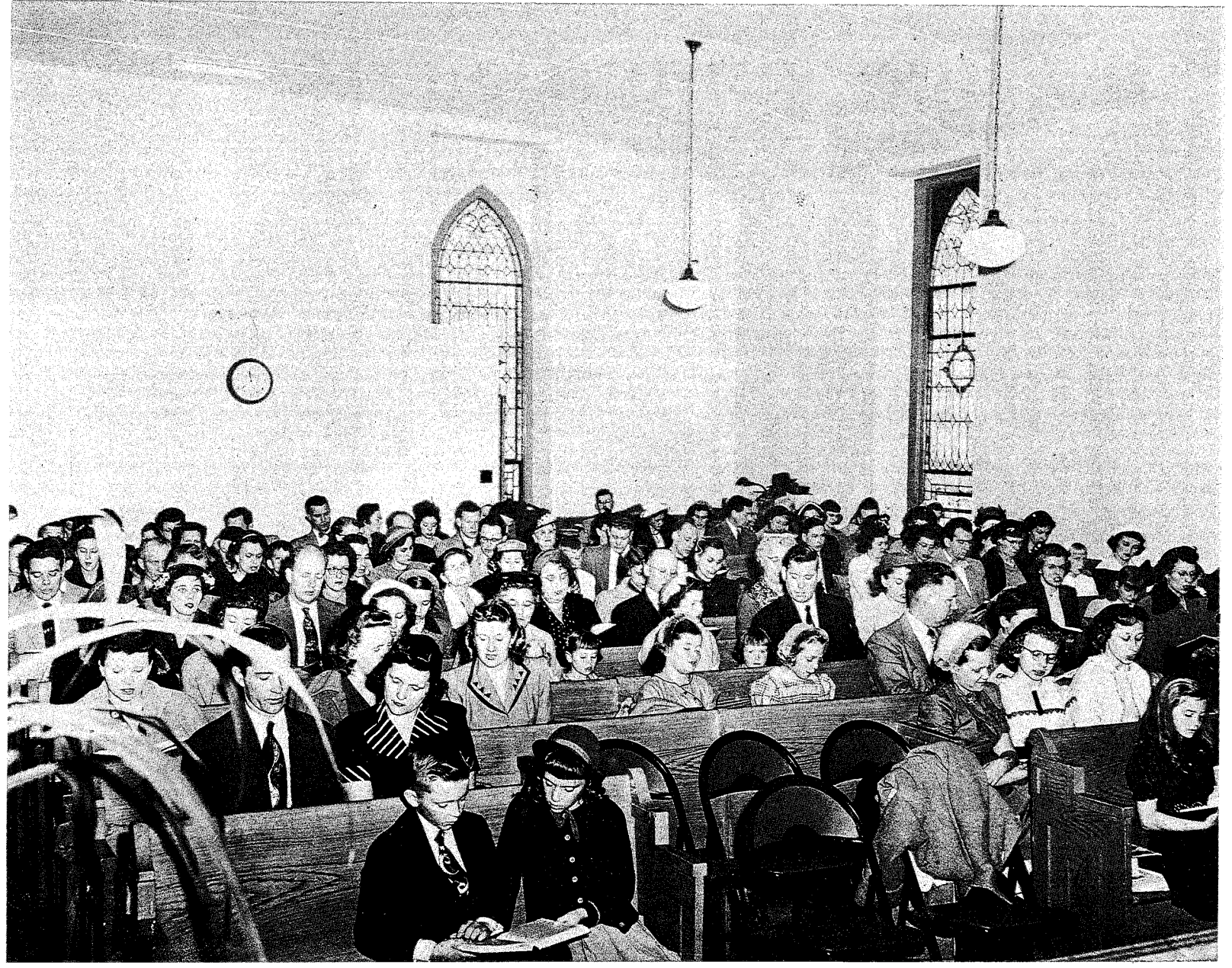
Rather than retreating from this overwhelming expansion, Emilie opened wide its arms. The small country church quickly welcomed hundreds of newcomers seeking baptism, marriage, youth activities, and pastoral comfort, transforming from an isolated village chapel into a vibrant spiritual hub for modern Levittown.
A Rapidly Expanding Neighborhood
“The church stood ready to meet the spiritual needs of an extraordinary influx of young families eager to put down lifelong roots in Bucks County.”
1950s Suburban Growth
GROWTH & WORSHIP SPACE
A New Sanctuary
With Sunday school attendance soaring and sanctuary pews overflowing each weekend, church leadership initiated plans for a spacious modern sanctuary facility. Through sacrificial capital pledges and prayerful dedication, the congregation built a welcoming worship home designed to accommodate generations to come.
The new sanctuary provided expansive seating, soaring lines, enhanced choir facilities, and room for growing congregational programs. It stood as tangible evidence of God’s provision and the faithful generosity of an energized membership.
Built for Worship and Service
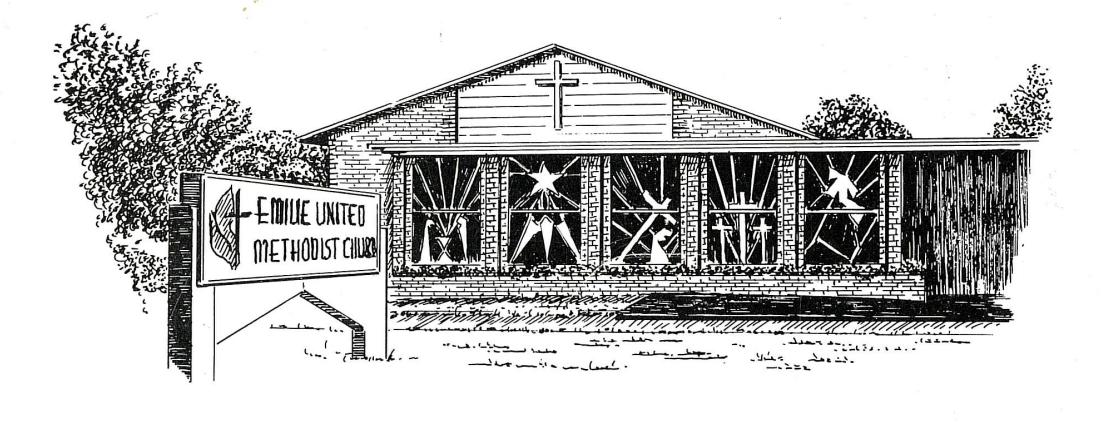
The construction of the modern sanctuary marked a bold leap of faith, balancing deep respect for historic traditions with an energetic commitment to welcoming every seeker who crossed the threshold.
Dedicated to the Glory of God
GROWING IN FAITH
Christian Education at Emilie
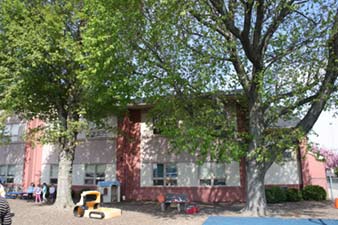
Nurturing minds and hearts has always rested at the center of Emilie’s congregational calling. From one-room Sunday school classes in the nineteenth century to comprehensive modern discipleship programs, the church has faithfully passed the torch of Christian teaching from one generation to the next.
Children & Youth Formation
Bible clubs, seasonal pageants, confirmation mentorship, and youth fellowships providing foundational encounters with God’s grace.
Adult Discipleship
Engaging mid-week studies, small groups, and prayer circles helping adults apply biblical principles to home, family, and vocation.
Dedicated Teachers
A proud lineage of volunteer educators, musicians, and organizers who have poured compassion and wisdom into young lives.
A PLACE TO REMEMBER
Preserving the Historic Chapel
Even as campus facilities expanded, Emilie retained an abiding reverence for its historic chapel. Regarded as sacred ground by generations of worshippers, the chapel stands as a living testimony to the humble beginnings and enduring resolve of our forebears.
Through careful restoration, community stewardship, and dedicated maintenance funds, the historic chapel continues to host intimate prayer gatherings, weddings, and memorial moments—bridging the nineteenth and twenty-first centuries with quiet dignity.
Sacred Heritage
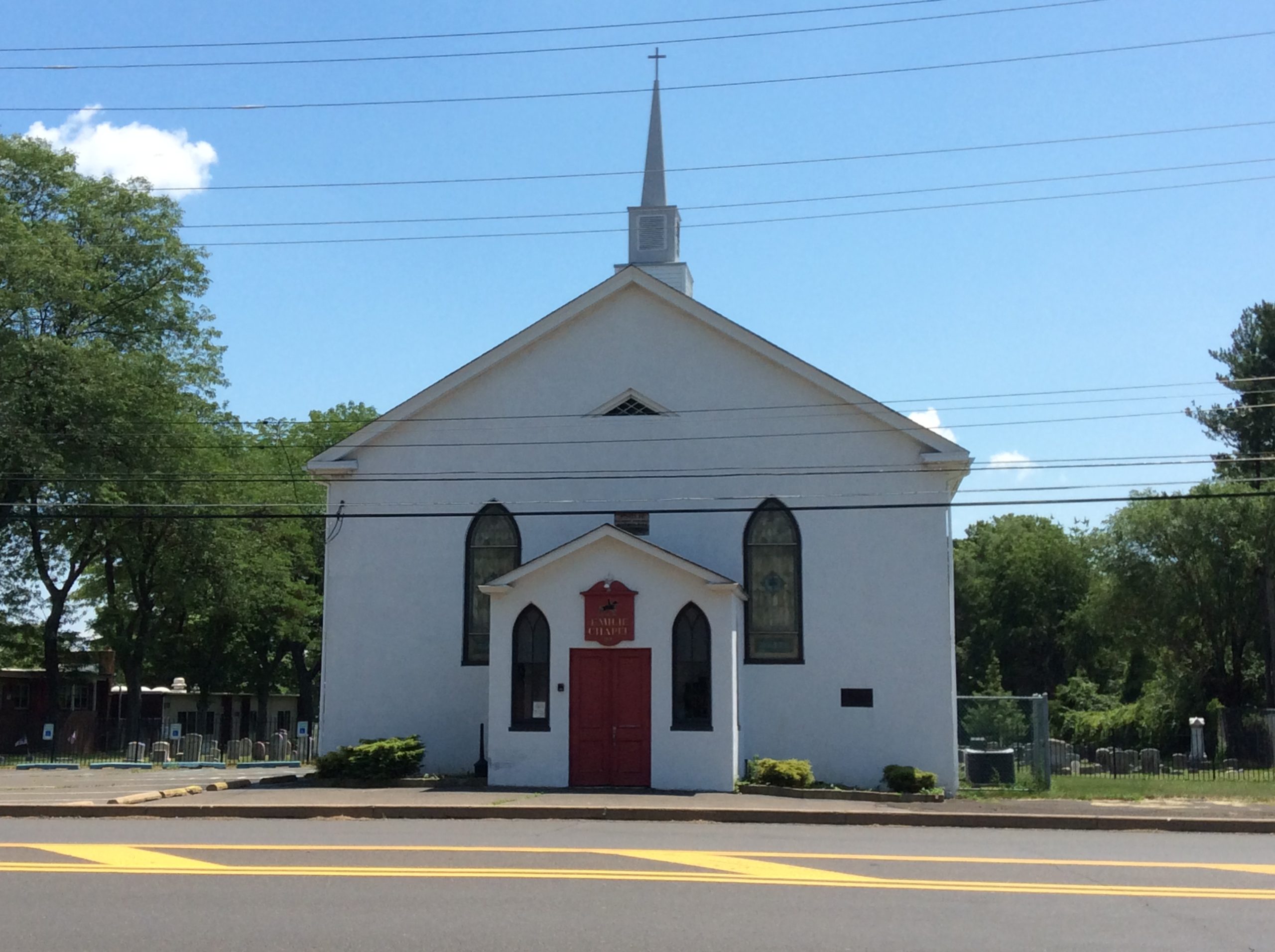
Preservation at Emilie is never merely about bricks and timber; it is an act of thanksgiving for the cloud of witnesses whose faithful prayers prepared the way for our present ministry.
Protected & Cherished
TODAY AND BEYOND
Continuing the Mission
Our history is not a museum piece—it is a living springboard. Emilie United Methodist Church remains deeply engaged in Levittown and surrounding neighborhoods, offering uplifting worship, community relief, and intentional pastoral care to all people.
Compassionate Local Outreach
From food collection drives and school supply distributions to partnerships with local shelters, our members put Christ’s teachings into practical action seven days a week.
An Open & Welcoming Family
Whether you are a lifelong United Methodist or exploring faith for the first time, Emilie offers a gracious spiritual home where questions are embraced and friendships run deep.
OUR MISSION
Building on Our Heritage
We honor Emilie’s rich nineteenth-century heritage not by standing still, but by stepping boldly into the future through three enduring callings of Christ.
1
FOUNDATIONAL CALL
Bringing People to Christ
Welcoming individuals and families into an authentic relationship with Jesus Christ, sharing the hope and unconditional love of the gospel with all neighbors.
2
SPIRITUAL FORMATION
Growing People in Christ
Nurturing lifelong faith through inspiring corporate worship, deep biblical learning, earnest prayer, and supportive fellowship together.
3
ACTIVE COMPASSION
Serving People for Christ
Serving our Levittown neighbors and the wider world through hands-on mercy, generosity, practical relief, and servant leadership.